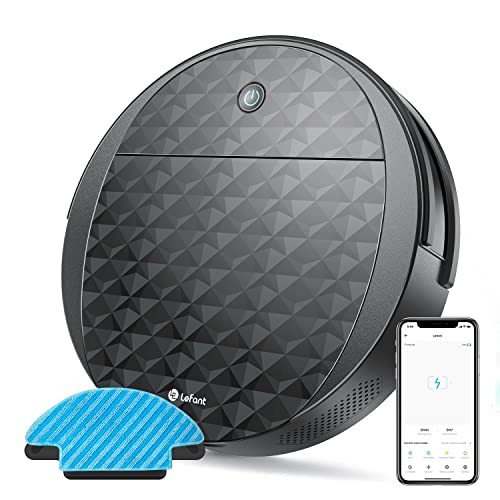
The Evolution of Robot Hoovers: Revolutionizing Home Cleaning
Robot hoovers, likewise called robotic vacuum cleaners, have changed how individuals approach household cleaning tasks. At first introduced in the late 1990s, these autonomous makers have actually progressed quickly due to advancements in technology, expert system, and artificial intelligence. Today, they are geared up with a range of functions that make them extremely effective in maintaining tidiness in living areas. This article checks out the history, operating, advantages, and future of robot hoovers.
The History of Robot Hoovers
The concept of robotic vacuums dates back to the 1970s, but it wasn't till the launch of the Roomba by iRobot in 2002 that they gained traditional attention. The Roomba was created to instantly navigate various surfaces, avoiding challenges while efficiently cleaning floorings. Ever since, a number of significant advancements have occurred, consisting of:
| Year | Development |
|---|---|
| 1996 | Very first prototype robotic vacuum cleaner established by a Japanese business. |
| 2002 | iRobot launches the Roomba, mass promoting robotic vacuums. |
| 2004 | Intro of the first Roomba with a dirt detection sensing unit. |
| 2011 | Release of models with cordless capabilities and smart device combination. |
| 2020 | Advanced models featuring AI, enhanced navigation systems, and mopping abilities. |
How Robot Hoovers Work
Robot hoovers run on a mix of sensing units, electronic cameras, and algorithms that allow them to clean efficiently. Key components of these gadgets consist of:
Sensors:
- Obstacle Avoidance Sensors: Detect walls, furniture, and even stairs, avoiding collisions and falls.
- Dirt Detection Sensors: Identify locations that require more extensive cleaning.
Navigation:
- Gyroscopes: Help determine the robot's orientation and motion.
- Cameras and Lidar: Enable mapping of the home environment to create optimum cleaning courses.
Cleaning Mechanisms:
- Vacuum Motors: Generate suction to choose up dirt and debris.
- Brush Rollers: Agitate dirt out of carpets for deeper cleaning.
Power Supply:
- Batteries: Rechargeable lithium-ion batteries supply the essential power for prolonged cleaning cycles.
User Interface:
- Mobile Apps and Smart Home Integration: Users can set up cleanings, display efficiency, and manage the robot remotely.
Advantages of Robot Hoovers
Robot hoovers provide numerous benefits, making them an appealing choice for contemporary homes:
- Time-Saving: Automated cleaning enables users to focus on other jobs while the robot efficiently cleans up floorings.
- Convenience: Many designs can be arranged for cleaning sessions, guaranteeing that homes remain neat without manual effort.
- Accessibility: Ideal for individuals with mobility challenges or hectic lifestyles, enabling simpler home upkeep.
- Constant Cleaning: Regular, automated cleansings reduce the build-up of dirt and irritants, contributing to a healthier living environment.
- Smart Technology: Integration with smart home systems enables increased control and customization.
Limitations of Robot Hoovers
In spite of their benefits, robot hoovers feature certain restrictions:
- Navigation Challenges: They may struggle in messy areas or with certain floor types such as high-pile carpets.
- Battery Life: Most models need regular charging, which can limit cleaning period.
- Maintenance: Regular cleaning of filters, brushes, and clearing dust bins is required for optimal efficiency.
- Price: Advanced models can be pricey compared to standard vacuum cleaners.
The Future of Robot Hoovers
As innovation continues to develop, the future of robot hoovers looks appealing. Prepared for developments include:
- Improved AI: Enhanced algorithms will enable for better object acknowledgment and vibrant mapping of areas.
- Hybrid Models: Integration of vacuuming and mopping capabilities in one device will offer an extensive cleaning service.
- Increased Autonomy: Future models may navigate even the most intricate environments without human intervention.
- Sustainability: Battery innovation advancements will cause longer-lasting, more energy-efficient robots.
Frequently Asked Questions (FAQs)
1. Are robot Smart Vacuum Cleaner for animal hair removal?
Yes, numerous robot hoovers are particularly created to take on family pet hair with effective suction and specialized brushes that minimize tangling.
2. How do robot hoovers browse around furniture?
Robot hoovers utilize a mix of sensors and cameras to identify obstacles, permitting them to browse around furniture and prevent accidents.
3. Can robot hoovers clean carpets?
The majority of contemporary robot hoovers are efficient on both hard floorings and carpets. It is a good idea to examine the specifications of individual models for specific efficiency.
4. Do robot hoovers need shows?
Lots of robot hoovers include user-friendly apps that permit owners to set schedules and customize cleaning choices, making programs uncomplicated.
5. Just how much do robot hoovers cost?
Prices for robot hoovers differ widely, ranging from ₤ 200 to around ₤ 1,500, depending upon functions and brand name.
Robot hoovers have come a long method because their inception, providing an effective and convenient cleaning solution for contemporary homes. Their increasing ability and intelligence make them a practical choice for individuals seeking to simplify their cleaning routines. As technology continues to advance, robot hoovers will likely become a lot more capable, providing extra functions that accommodate the developing requirements of users. Their journey from novelty to necessity highlights a basic shift in how society approaches home upkeep, marking a significant turning point in the intersection of innovation and everyday life.